Archives
- 2026-01
- 2025-12
- 2025-11
- 2025-10
- 2025-09
- 2025-03
- 2025-02
- 2025-01
- 2024-12
- 2024-11
- 2024-10
- 2024-09
- 2024-08
- 2024-07
- 2024-06
- 2024-05
- 2024-04
- 2024-03
- 2024-02
- 2024-01
- 2023-12
- 2023-11
- 2023-10
- 2023-09
- 2023-08
- 2023-07
- 2023-06
- 2023-05
- 2023-04
- 2023-03
- 2023-02
- 2023-01
- 2022-12
- 2022-11
- 2022-10
- 2022-09
- 2022-08
- 2022-07
- 2022-06
- 2022-05
- 2022-04
- 2022-03
- 2022-02
- 2022-01
- 2021-12
- 2021-11
- 2021-10
- 2021-09
- 2021-08
- 2021-07
- 2021-06
- 2021-05
- 2021-04
- 2021-03
- 2021-02
- 2021-01
- 2020-12
- 2020-11
- 2020-10
- 2020-09
- 2020-08
- 2020-07
- 2020-06
- 2020-05
- 2020-04
- 2020-03
- 2020-02
- 2020-01
- 2019-12
- 2019-11
- 2019-10
- 2019-09
- 2019-08
- 2019-07
- 2019-06
- 2019-05
- 2019-04
- 2018-07
-
Considering these reports and with the aim of
2020-07-20
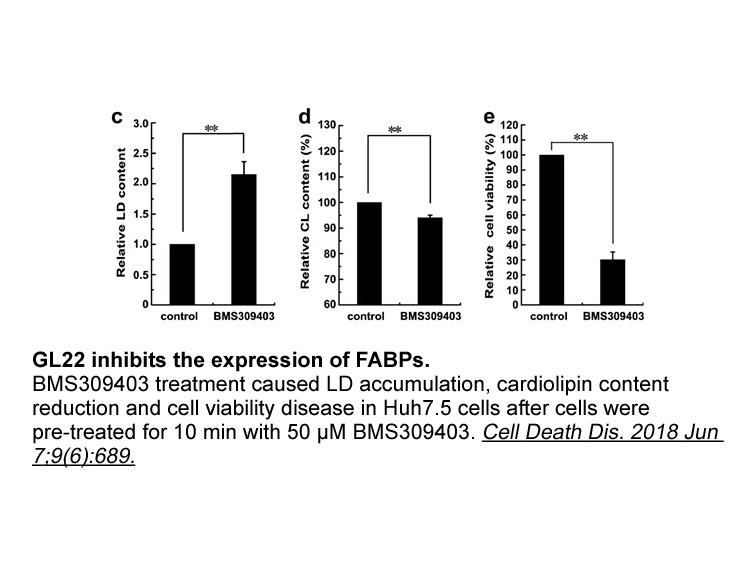
Considering these reports, and with the aim of further investigating the mechanism by which the cAMP-Epac/PKA pathway activates eNOS, we have performed imaging experiments evaluating the effect of drugs that increase cAMP or modify its signalling pathways (PKA or Epac activators and inhibitors) on b
-
ZCL278 While previously reported optimizations on compound f
2020-07-20
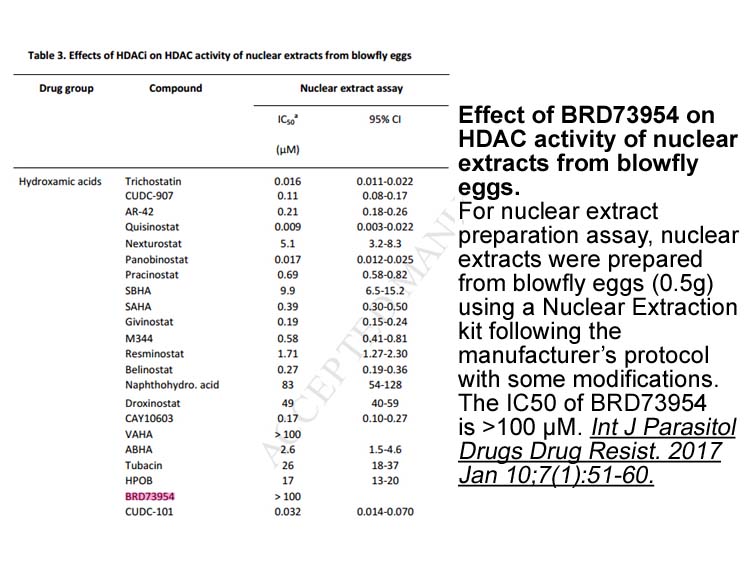
While previously reported optimizations on ZCL278 focused on the phenyl ring A () and substituents on isoxazole ring, other alternatives to replace isoxazole ring were never explored. Herein, we propose to replace the isoxazole with its bioisosteric substituted phenyl ring B () to explore new chem
-
In order to gain further insights into the role of
2020-07-17
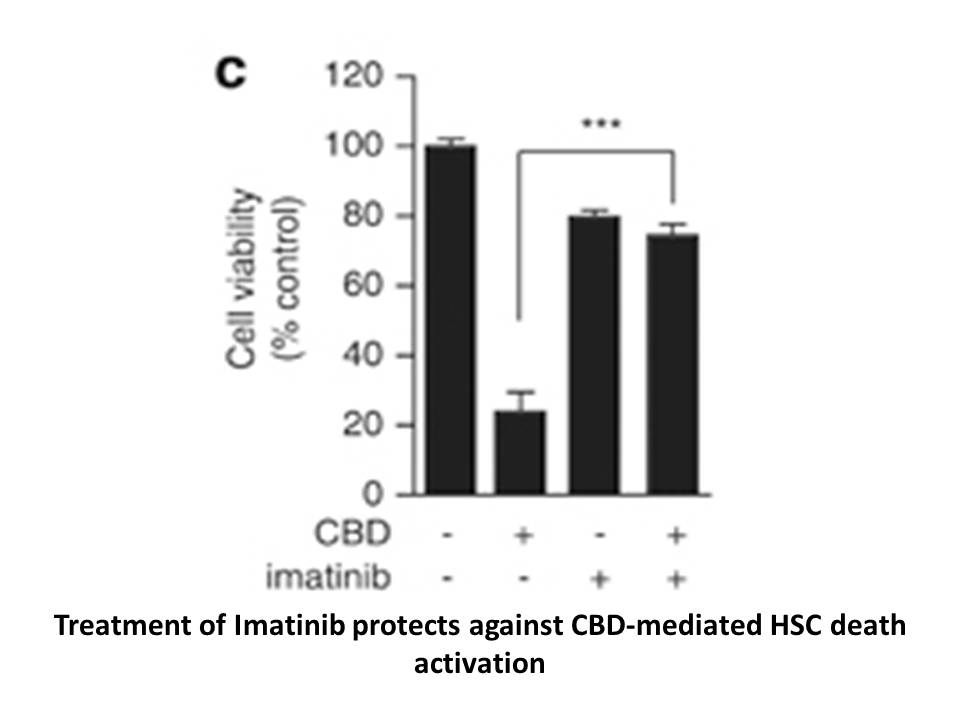
In order to gain further insights into the role of peptidases in B. xylophilus, four cysteine proteases highly secreted by B. xylophilus (Cardoso et al., 2016) were selected four further characterisation. Materials and methods Results and discussion Structural prediction and analysis The i
-
The synthetic routes to the substrates
2020-07-17
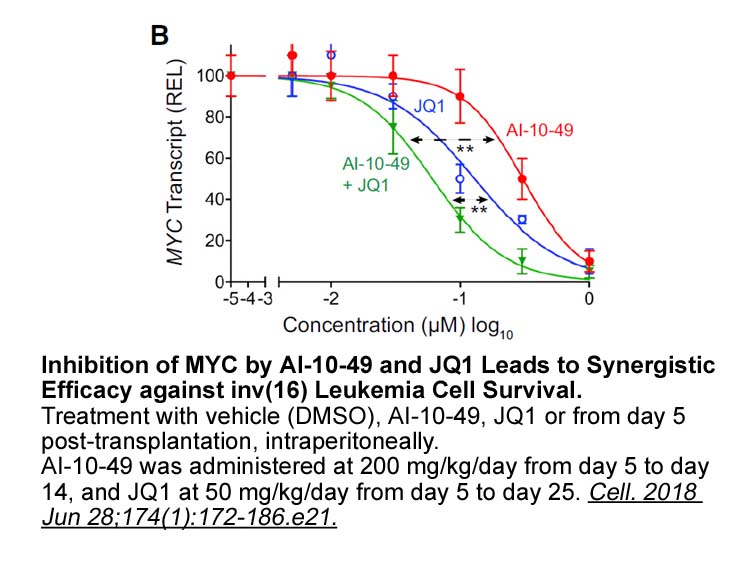
The synthetic routes to the substrates based on the 2,3-dihydroxynaphthalene and 6,7-dibromo-2,3-dihydroxynaphthalene cores are depicted in Scheme 3. A Michael-type glycosylation of 2,3-dihydroxynaphthalene 16a gave the acetylated sugar 17a which was deprotected giving the required β-glucosidase sub
-
In the present study we
2020-07-17
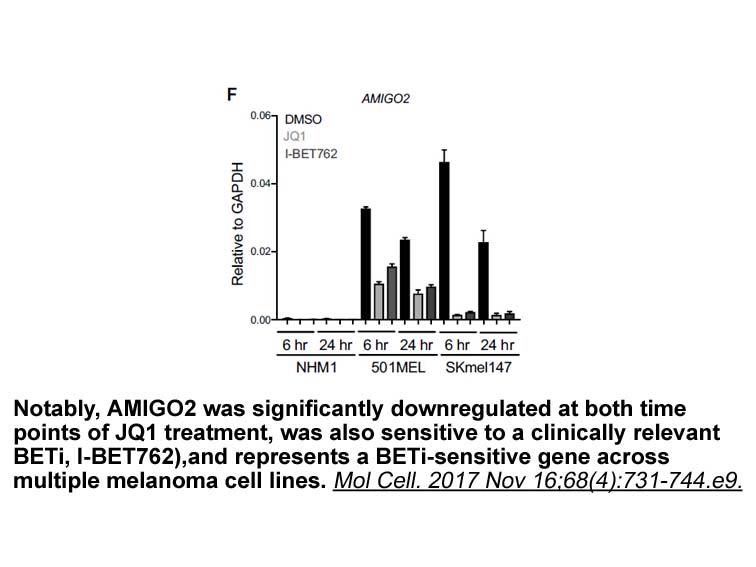
In the present study, we investigated the deeper role of eNOS in the pathogenesis of nasal polyps and analyzed the influence of 1,8-cineol on nasal polyp gene and protein expression of eNOS in vitro. Different studies dealt with the localization and expression of eNOS in nasal polyps and nasal mucos
-
br Conclusion and future perspectives LDL cholesterol loweri
2020-07-16
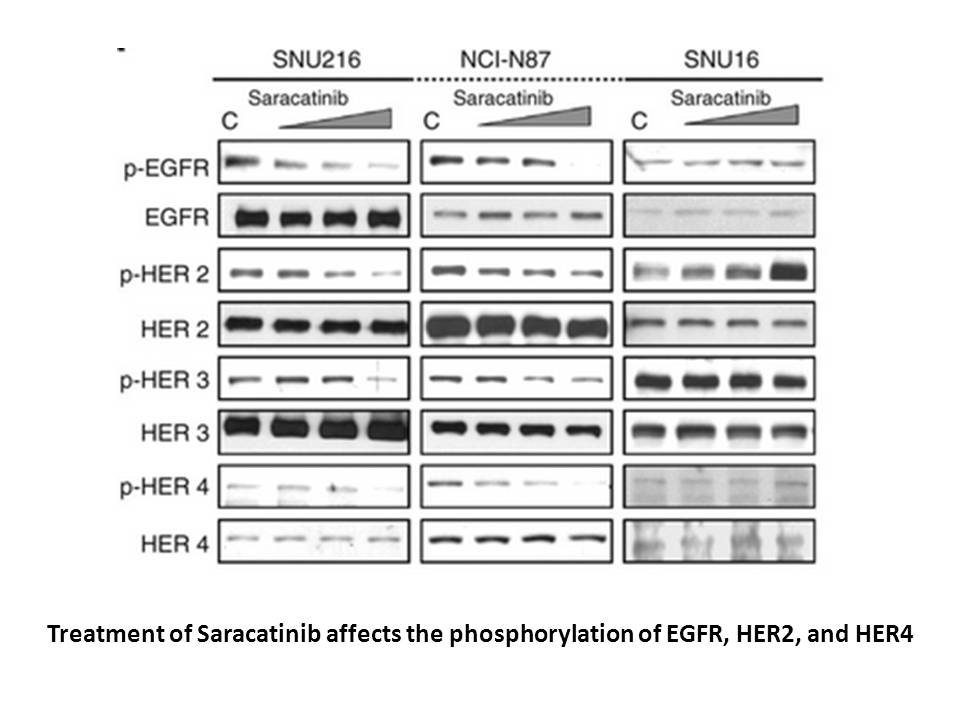
Conclusion and future perspectives LDL cholesterol-lowering therapy is essential for cardiovascular risk reduction. On the background of a high inter-personal variation of cholesterol synthesis and cholesterol NF 449 receptor the efficacy of cholesterol lowering, both, with statins and with ezet
-
br Acknowledgments br Significance The mechanisms underlying
2020-07-16
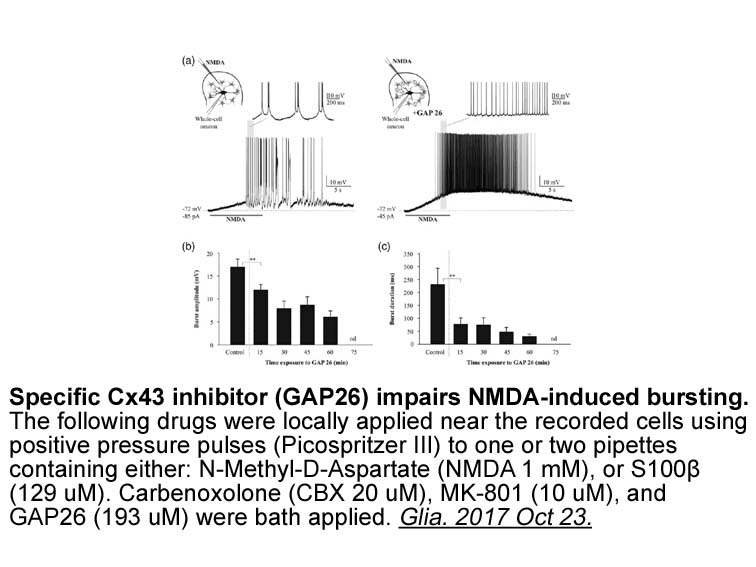
Acknowledgments Significance The mechanisms underlying the adverse effects of Epo-stimulating agents on the reduced survival of cancer patients are not well understood. Here, we identified EphB4 as an alternative Epo receptor, which triggers Src/Stat3 signaling via EphB4. We also showed that r
-
Our results from neutropenic mice infected with both fungal
2020-07-16
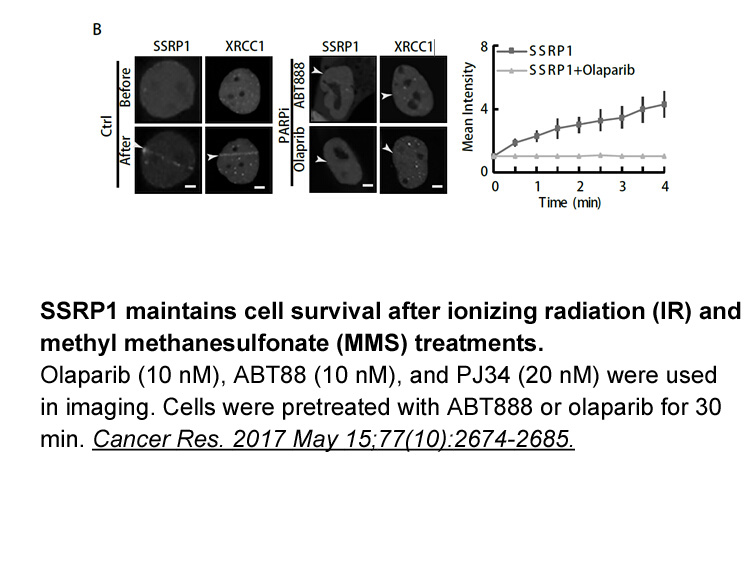
Our results from neutropenic mice infected with both fungal strains revealed that the inflammatory process was more severe 72hours post-infection (Fig. 4). Angioinvasion was mainly observed 48hours after infection for both strains. Transformation of A. fumigatus conidia into hyphae in immunocompeten
-
Nimodipine administration also inhibited the eIF ATF
2020-07-16
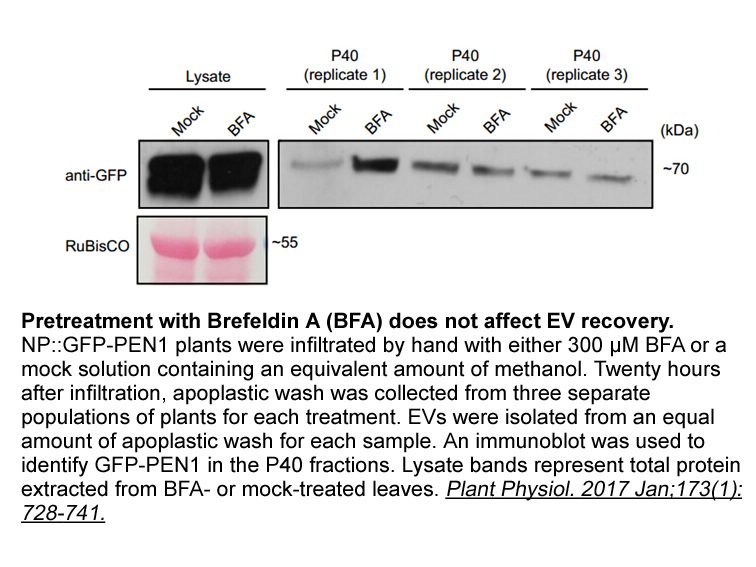
Nimodipine administration also inhibited the eIF2α/ATF4 singnaling which is a crucial evolutionarily conserved adaptive pathway during cellular stresses including hypoxia and ischemia (Evans et al., 2016; Manwani and McCullough, 2013). While, the eIF2a/ATF4 pathway, activated by different forms of s
-
Prostaglandins PGs are lipid mediators that exhibit
2020-07-16
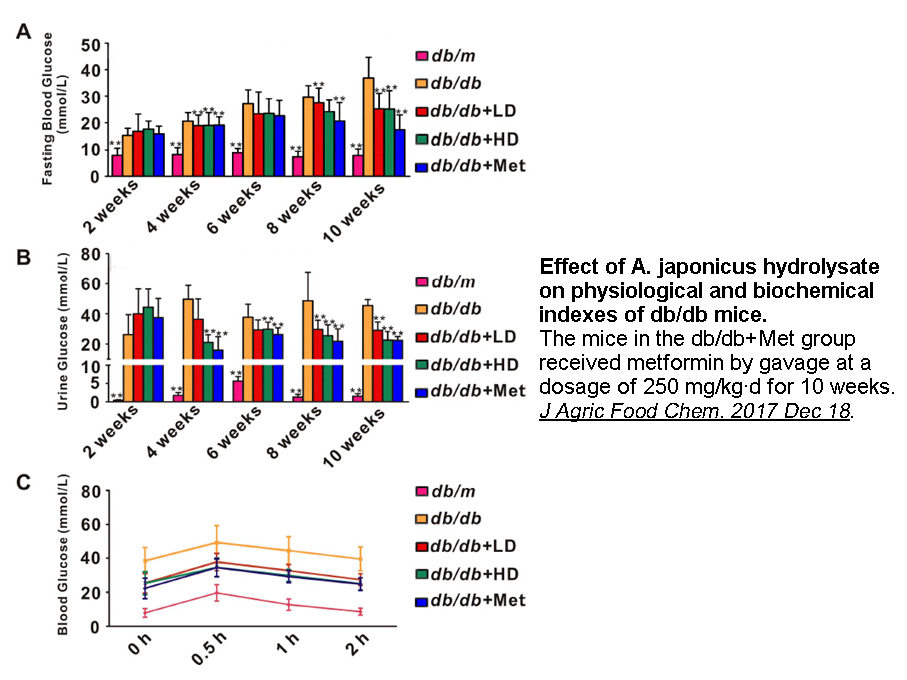
Prostaglandins (PGs) are lipid mediators that exhibit a variety of physiological properties by interacting specific G protein-coupled receptors (GPCRs) [10]. PGD2 is synthesized from PGH2 through two distinct PGD synthases; lipocalin-type PGD synthase (L-PGDS) and hematopoietic PGD synthase (H-PGDS)
-
In rats exposed to day of nicotine withdrawal h
2020-07-16
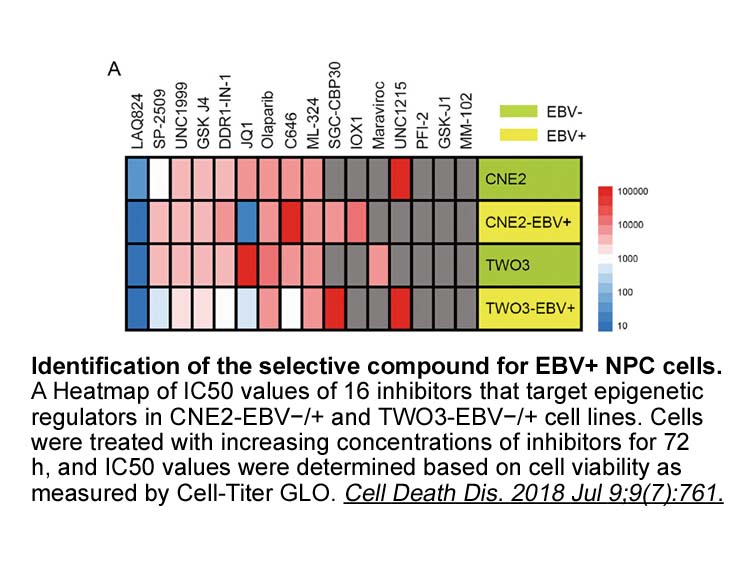
In rats exposed to 1 day of nicotine withdrawal (24 h after the last nicotine administration) we expected a decrease of general locomotor activity and a decrease of global striatal dopamine release, which were assessed in a previous study following 14 days of nicotine exposure and 24 h of nicotine w
-
Interestingly from our consensus SBVC
2020-07-16
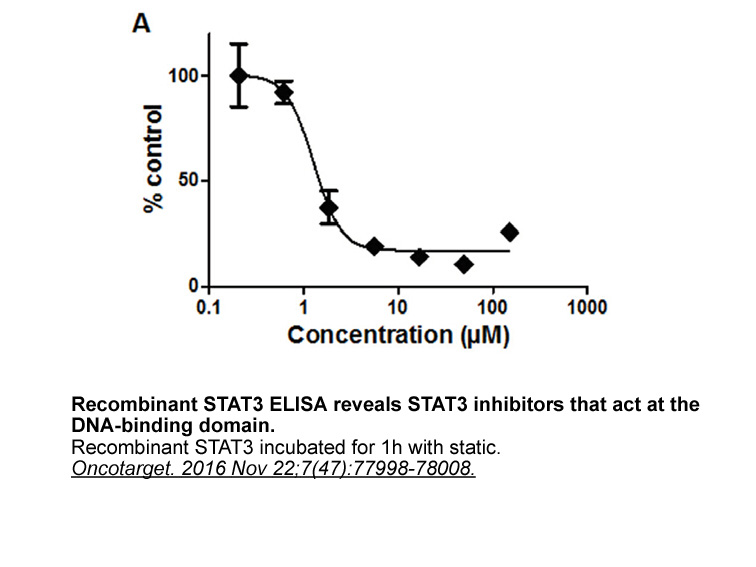
Interestingly, from our consensus SBVC protocol only few compounds (less than 150) have been scored with a full ‘ consensus’. That means that these compounds appear in the top 5% of the database when ranked by every scoring function independently. After visual inspection, we have realized that two a
-
br Effects of estrogens on bone Estrogens play an important
2020-07-16
Effects of estrogens on bone Estrogens play an important role in bone remodeling, as demonstrated by studies in mice in which the ER genes were deleted [21], [22]. ERβ compensates for the Necrosulfonamide of ERα, and vice versa, but when both ERs are deleted a profound decrease in trabecular bon
-
UVRAG is a mammalian ortholog of yeast
2020-07-16

UVRAG is a mammalian ortholog of yeast Vps38 and a promoter of autophagy [51,60,61]. It forms distinct complexes with BECN1 (mammalian ortholog of yeast Vps30/Atg6) and the class III phosphatidylinositol 3-kinase (whose catalytic subunit [PIK3C3] is the mammalian ortholog of yeast Vps34) and contrib
-
br Introduction Prostaglandin E PGE signals through separate
2020-07-16
Introduction Prostaglandin E2 (PGE2) signals through 4 separate G-protein coupled receptor sub-types (EP1, EP2, EP3 and EP4) to elicit a variety of physiological and pathophysiologic effects. EP2 and EP4 increase cAMP levels in the cell via adenylate cyclase activation, whereas EP3 inhibits cAMP
16149 records 842/1077 page Previous Next First page 上5页 841842843844845 下5页 Last page